
Professional Floor Care Services: A 2026 Guide
Table of Contents
What Professional Floor Care Services Include
Commercial Floor Cleaning Services for Your Facility
Post-Construction Cleanup and Deep Cleaning
Routine Maintenance and Preventive Care
Commercial Tile and Grout Cleaning Methods
Commercial Vinyl Floor Cleaning and Restoration
Healthcare Facility Floor Care Requirements
Floor Types and Specialized Treatment Methods
Hardwood and Laminate Floor Care
Carpet and VCT Flooring Maintenance
Pricing, Credentials, and Service Reliability
What Affects Professional Floor Care Pricing
Insurance, Bonding, and Staff Training Standards
How to Evaluate Professional Floor Care Providers
Frequently Asked Questions
Last Updated: October 21, 2026
What Professional Floor Care Services Include
Professional floor care services encompass a comprehensive range of cleaning, maintenance, and restoration treatments designed to preserve flooring integrity while maintaining a clean, safe facility environment. At Phaze 2 Janitorial & Labor Services, we understand that different floor types demand different approaches, and that's where specialized expertise makes the difference.
Professional floor care services typically include routine cleaning and maintenance, deep cleaning and grime removal, floor stripping and waxing, tile and grout restoration, and specialized treatments for materials like hardwood, laminate, vinyl, and carpet. A healthcare facility requires different protocols than an office building, just as post-construction cleanup demands different expertise than routine maintenance.
The real value of professional floor care isn't just appearance, it's longevity. Properly maintained floors last significantly longer, reducing replacement costs and keeping your facility inspection-ready. Whether you operate a commercial office, manage healthcare facilities, or oversee post-construction projects, professional floor care services protect your investment while creating a healthier environment for occupants.
Pro Tip The most common mistake facility managers make is treating all floor cleaning the same way. Vinyl floors stripped with the wrong solution can become permanently damaged. Hardwood floors need moisture control that tile doesn't. Getting the method right the first time prevents costly repairs later.
Commercial Floor Cleaning Services for Your Facility
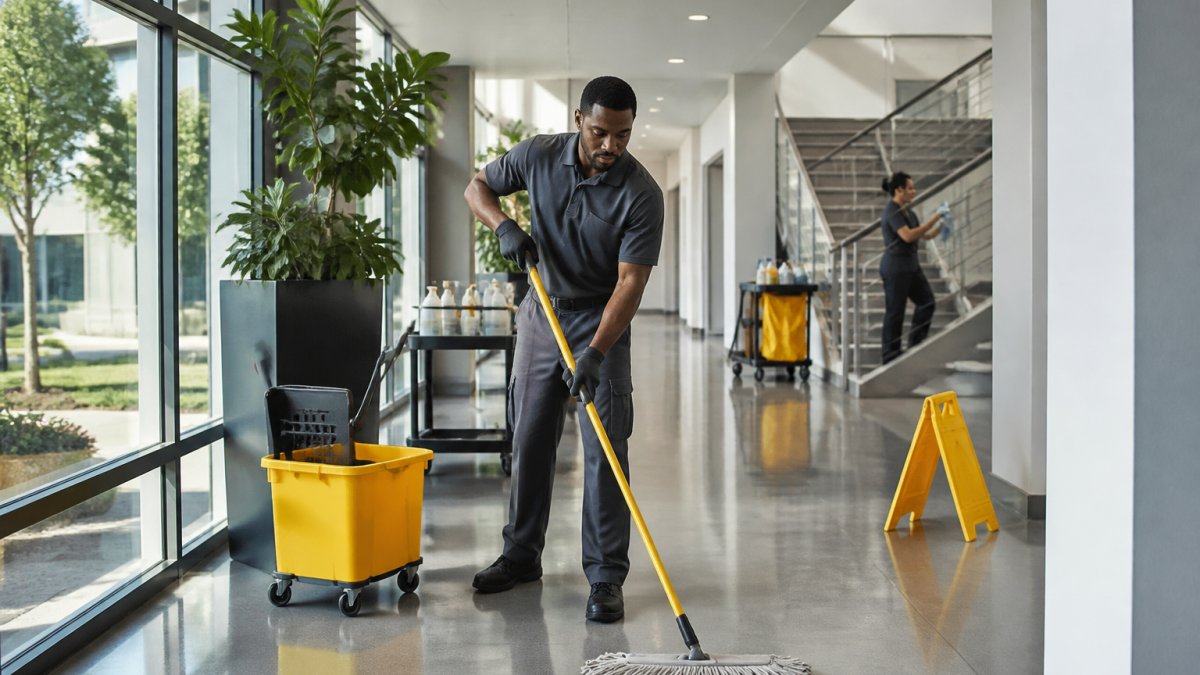
Commercial floor cleaning services go far beyond daily sweeping. These services address the unique demands of high-traffic commercial environments where appearance, safety, and durability all matter.
Post-Construction Cleanup and Deep Cleaning
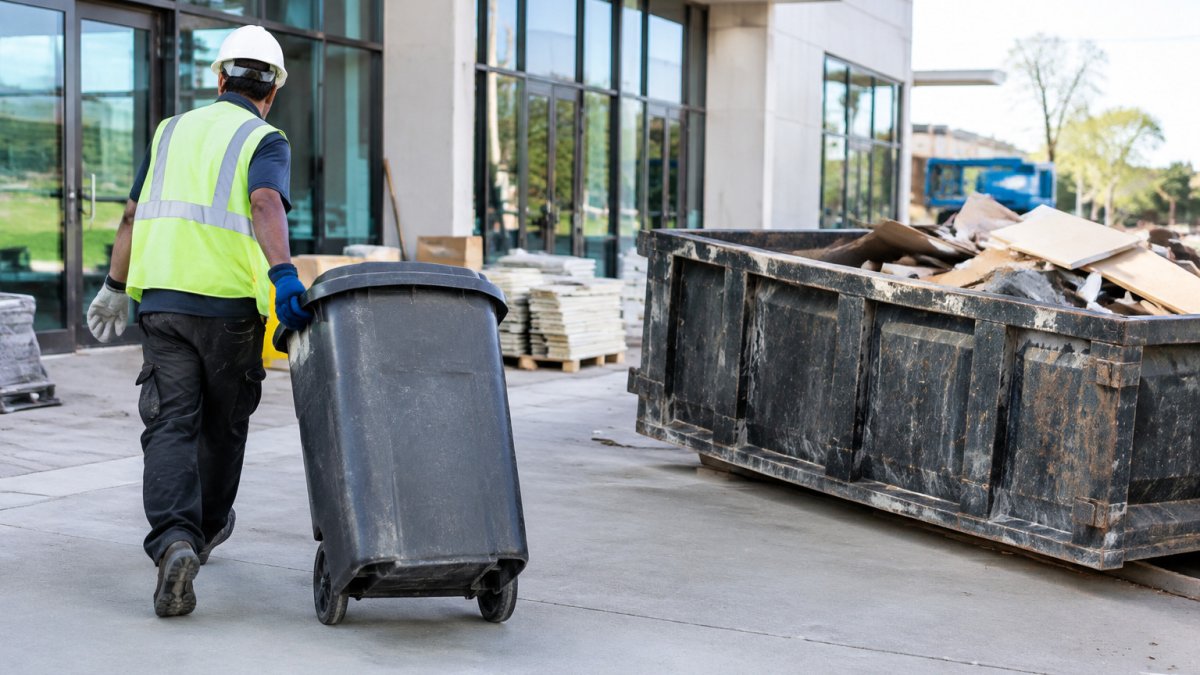
Post-construction cleanup represents one of the most demanding applications of commercial floor care services. After construction or renovation, floors accumulate dust, debris, adhesive residue, and fine particles that standard cleaning cannot remove. This requires specialized equipment, trained technicians, and precise protocols to ensure the space is truly inspection-ready.
Professional post-construction cleanup involves comprehensive floor preparation, removal of construction debris and dust, residue elimination, and final polishing or sealing. The goal is to deliver a facility that meets building code requirements and client specifications before move-in or occupancy.
Phaze 2 Janitorial & Labor Services specializes in post-construction cleanup for developers and general contractors across the region. Our team understands the timeline pressures of project completion and the consequences of missing inspection deadlines.
Watch Out Construction dust settles on every surface, including areas you might not immediately see. If not properly removed before occupancy, it continues to circulate through HVAC systems, affecting indoor air quality and creating liability. Professional cleanup prevents this problem entirely.
Routine Maintenance and Preventive Care
Routine maintenance is the foundation of floor longevity. Daily or weekly cleaning removes dirt, dust, and moisture before they cause damage. Preventive care includes periodic deep cleaning, protective coating reapplication, and condition monitoring to catch problems early.
Many facilities operate on a recurring maintenance schedule: daily light cleaning, weekly deep cleaning, and monthly specialized treatments depending on floor type and traffic volume. This approach keeps floors looking professional while extending their service life by years compared to reactive cleaning that only happens when problems become visible.
The frequency and intensity of maintenance depend on your facility type. A healthcare facility requires more frequent, more rigorous cleaning than a typical office. A manufacturing facility with heavy equipment traffic needs different protocols than a retail showroom.
Commercial Tile and Grout Cleaning Methods
Tile flooring is durable but requires specialized cleaning approaches. Grout lines accumulate dirt, mold, and mildew that standard mopping cannot reach. Professional tile and grout cleaning uses targeted techniques to restore both the tile surface and the grout lines.

Common methods include pressure washing with appropriate PSI settings (too high damages grout), chemical treatments that break down stains without etching tile, and specialized grout cleaning machines that extract embedded debris. The choice depends on tile type, grout composition, and the nature of the soiling.
For commercial facilities, tile and grout cleaning often occurs quarterly or semi-annually as part of a preventive maintenance plan. Healthcare facilities may require more frequent treatment due to higher hygiene standards.
Commercial Vinyl Floor Cleaning and Restoration
Vinyl flooring, including VCT (vinyl composition tile) and luxury vinyl plank, requires different care than ceramic tile or hardwood. Vinyl is sensitive to harsh chemicals and excessive moisture, yet it accumulates dirt and scuff marks that diminish appearance.
Professional vinyl floor cleaning and restoration includes regular stripping and rewaxing, burnishing to restore shine, and spot treatment for scuffs and stains. The frequency depends on traffic volume and facility type. A busy office corridor might need monthly burnishing, while a back office area might need quarterly treatment.
The key to vinyl longevity is using the correct cleaning solutions and techniques. Improper stripping can leave residue that builds up over time, creating a dull, sticky surface. Professional floor care services apply the right products in the right sequence to maintain vinyl's appearance and protective finish without degrading the material.
Healthcare Facility Floor Care Requirements
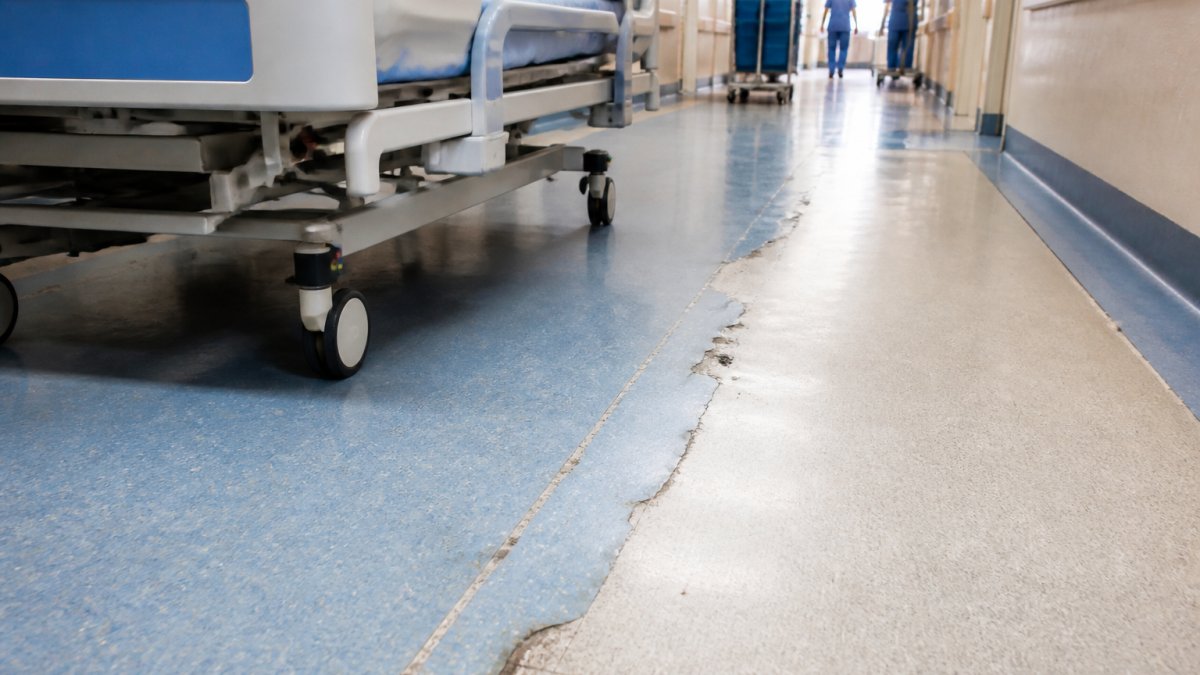
Healthcare facilities face unique floor care challenges. Infection control protocols require floors to withstand frequent chemical disinfection. Patient and staff safety demands slip-resistant surfaces even when wet. Regulatory compliance means documentation of cleaning frequency and methods.
Professional floor care services for healthcare facilities must address these requirements explicitly. Floors must be cleaned and disinfected according to CDC guidelines and facility protocols. Surface materials must maintain slip resistance even with frequent wet cleaning. Staff training must include proper handling of disinfectants and equipment operation.
Many healthcare facilities use a combination of floor types: tile in patient care areas, vinyl in corridors, carpet in administrative spaces. Each requires different treatment protocols. Professional floor care providers experienced in healthcare environments understand these distinctions and can deliver compliant, safe, effective care across all materials.
Floor Types and Specialized Treatment Methods
Different floor materials require fundamentally different care approaches. Using the wrong cleaning method damages the floor, shortens its lifespan, and creates liability.
Hardwood and Laminate Floor Care
Hardwood and laminate floors are sensitive to moisture and require protective finishes. Hardwood restoration involves sanding, sealing, and finishing to maintain appearance and water resistance. Laminate requires gentler methods that avoid moisture penetration at seams.
Professional hardwood floor care includes regular dust mopping, occasional damp mopping with minimal water, periodic buffing to maintain the finish, and periodic refinishing when the protective coat wears through. Laminate care is similar but requires extra caution around moisture, as water can cause swelling and delamination.
The investment in professional hardwood and laminate care prevents the accelerated wear and damage that results from improper cleaning. A facility with hardwood floors that receives professional care maintains those floors for decades. The same floors subjected to standard janitorial cleaning might require replacement within years.
Carpet and VCT Flooring Maintenance
Carpet requires regular vacuuming, spot cleaning, and periodic deep cleaning to remove embedded dirt and restore appearance. VCT flooring needs stripping, waxing, and burnishing to maintain its protective finish and appearance.
Professional carpet cleaning uses hot water extraction or dry cleaning methods depending on carpet type and condition. VCT maintenance follows a cycle: regular sweeping and damp mopping, periodic stripping to remove old wax buildup, resealing, and burnishing to restore shine. This cycle prevents the dull, sticky appearance that results from improper maintenance.
Both carpet and VCT require consistent, properly executed maintenance to preserve their appearance and extend their service life. Professional floor care services apply the right techniques in the right sequence, delivering results that justify the investment through extended floor life and maintained appearance.
Pricing, Credentials, and Service Reliability
Evaluating professional floor care providers requires more than comparing quotes. Service quality, credentials, reliability, and expertise all affect the actual value you receive.
What Affects Professional Floor Care Pricing
Professional floor care pricing depends on multiple factors: facility size, floor type, condition, traffic volume, frequency of service, and geographic location. A small office requiring monthly maintenance costs less than a large healthcare facility requiring weekly deep cleaning and specialized treatments.
Pricing also reflects the provider's expertise, equipment investment, staff training, and insurance coverage. A provider offering the lowest quote may lack proper credentials, insurance, or specialized equipment. The true cost of floor care includes not just the service fee but also the quality, reliability, and outcomes you receive.
When evaluating quotes, compare the scope of work, frequency of service, specific treatments included, and the provider's qualifications. A higher-priced provider with proper insurance, staff training, and specialized equipment often delivers better outcomes and fewer problems than a lower-priced alternative.
Insurance, Bonding, and Staff Training Standards
Professional floor care providers should carry general liability insurance, property damage coverage, and workers' compensation insurance. Bonding provides additional protection against loss or damage. These credentials indicate that the provider operates professionally and can cover costs if something goes wrong.
Staff training is equally important. Properly trained technicians understand floor types, cleaning chemistry, equipment operation, and safety protocols. They know which methods work for which materials and which combinations of products and techniques cause damage. Training also includes safety practices that protect both the technician and your facility.
When selecting a professional floor care provider, verify their insurance coverage, bonding status, and staff training credentials. Ask about their experience with your specific floor types and facility requirements.
How to Evaluate Professional Floor Care Providers
Selecting the right professional floor care provider requires evaluating multiple factors beyond price. Consider experience, credentials, reliability, communication, and their ability to handle your specific facility requirements.
Start by asking about experience with your floor types and facility category.
Request references from similar facilities and verify their insurance and bonding status. Ask about their equipment, staff training, and quality assurance processes. Discuss your specific requirements and observe how thoroughly they address your questions.
Reliability matters as much as expertise. Ask about their communication process, how they handle scheduling changes, and what happens if they cannot meet a commitment.
Evaluation Factor | What to Look For | Why It Matters |
Experience | Specific expertise with your floor types and facility category | Prevents damage from incorrect methods; ensures compliance |
Insurance & Bonding | Full coverage with documented proof | Protects your facility from liability if something goes wrong |
Staff Training | Documented training in floor care, safety, and equipment operation | Quality of work and safety of your facility |
References | Verifiable feedback from similar facilities | Real-world evidence of reliability and quality |
Communication | Proactive updates, clear scheduling, responsive to questions | Reduces surprises and ensures service meets your expectations |
Customization | Willingness to develop protocols for your specific needs | Ensures service matches your requirements rather than generic approach |
Selecting professional floor care services requires evaluating more than just price.
Frequently Asked Questions
How often should commercial floors be professionally cleaned?
Frequency depends on foot traffic, floor type, and facility use. High-traffic commercial spaces typically need cleaning 2-3 times weekly, while office areas may require weekly service. Healthcare facilities often need daily professional cleaning to meet infection control standards. A professional floor care provider can assess your specific needs and recommend a maintenance schedule that extends floor life while maintaining appearance and safety.
What should a professional floor care service include for commercial tile and grout cleaning?
Professional commercial tile and grout cleaning should include pre-treatment of soiled areas, machine scrubbing with appropriate cleaning solutions, high-pressure extraction or rinsing, and optional grout sealing. The service should address grime buildup, discoloration, and bacterial growth without damaging the tile or grout. Providers should assess your specific tile type and soil level before recommending treatment methods to ensure proper results.
How do you maintain commercial vinyl floors to extend their lifespan?
Commercial vinyl floor cleaning and restoration involves regular dust mopping, wet cleaning with pH-neutral solutions, and periodic stripping and resealing. Proper maintenance prevents dirt accumulation, reduces wear, and protects the vinyl's protective finish. Professional providers use equipment and techniques designed specifically for vinyl to avoid damage while removing deep-set grime. Routine care every 1-2 weeks, combined with annual or semi-annual deep cleaning, significantly extends floor life.
What makes healthcare facility floor care different from standard commercial cleaning?
Healthcare facility floor care requires specialized protocols to meet infection control standards and regulatory compliance. Cleaners must use hospital-grade disinfectants, follow specific contact times, and document cleaning procedures. High-touch areas and patient zones demand more frequent cleaning and specific product compatibility. Professional providers with healthcare facility floor care experience understand these requirements and maintain the sanitation standards necessary for patient safety and regulatory adherence.
How can I verify that a floor care provider is insured, bonded, and properly trained?
Request proof of general liability insurance and bonding documentation before hiring. Ask about staff training certifications, background screening processes, and safety protocols. Verify MBE certification if required by your contracts. Professional providers should readily supply this information and explain their quality assurance procedures. References from similar facilities or property managers can confirm reliability and adherence to stated standards.
Request a Quote
Comments